

Subscribe to Updates

    Get the latest creative news from FooBar about art, design and business.

    What's Hot

    The unexpected uses of a folding iPhone: iPhone Duo's folding positions explained

    Google Messages will finally let you edit photos and videos before sending them out

    Apple Store customers were allegedly subscribed to Apple services without their consent

    Facebook Twitter Instagram
    • Tech
    • Gadgets
    • Spotlight
    • Gaming
    Facebook Twitter Instagram
    circuitthoughtscircuitthoughts
    Subscribe
    • Home
    • Gadgets
    • Insights
    • Apps

      Google Uses AI Searches To Detect If Someone Is In Crisis

      Gboard Magic Wand Button Will Covert Your Text To Emojis

      Android 10 & Older Devices Now Getting Automatic App Permissions Reset

      Spotify Blend Update Increases Group Sizes, Adds Celebrity Blends

      Samsung May Improve Battery Significantly With Galaxy Watch 5

    • Gear
    • Mobiles
      1. Tech
      2. Gadgets
      3. Insights
      4. View All

      The unexpected uses of a folding iPhone: iPhone Duo's folding positions explained

      Google Messages will finally let you edit photos and videos before sending them out

      Apple Store customers were allegedly subscribed to Apple services without their consent

      The iPhone 18e will reportedly get a better battery than the iPhone 18 Pro, and a display upgrade

      March Update May Have Weakened The Haptics For Pixel 6 Users

      Project 'Diamond' Is The Galaxy S23, Not A Rollable Smartphone

      The At A Glance Widget Is More Useful After March Update

      Pre-Order The OnePlus 10 Pro For Just $1 In The US

      Motorola Edge+ Review: It Checks A Lot Of Boxes

      This Smartphone Concept Design Is Different… In A Good Way

      Twitter Just Made Searching Your Direct Messages Better

      That Netflix Price Hike Is Starting To Take Place

      Latest Huawei Mobiles P50 and P50 Pro Feature Kirin Chips

      Samsung Galaxy M62 Benchmarked with Galaxy Note10’s Chipset

      9.1

      Review: T-Mobile Winning 5G Race Around the World

      8.9

      Samsung Galaxy S21 Ultra Review: the New King of Android Phones

    • Computing
    circuitthoughtscircuitthoughts
    Home»Tech»The backlash about data centers might really just be about electricity
    Tech

    The backlash about data centers might really just be about electricity

    adminBy No Comments2 Mins Read
    Facebook Twitter Pinterest LinkedIn Tumblr Email
    Share
    Facebook Twitter LinkedIn Pinterest Email

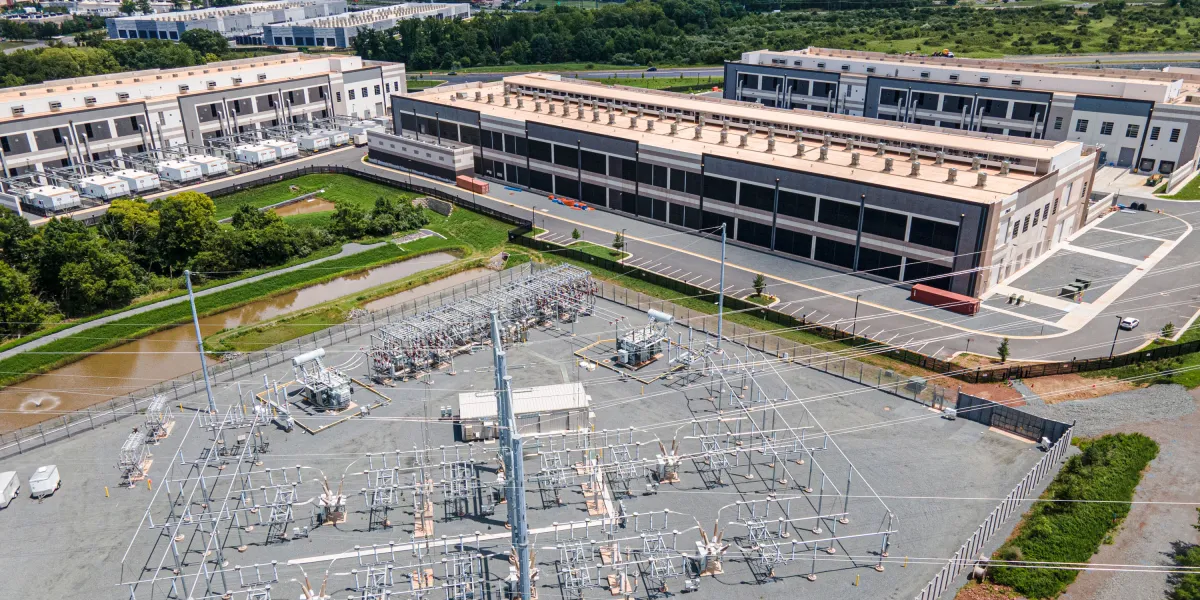
    Driving through it is surreal. Concrete monolithic buildings loom along every major road, with names like Skybox and CloudHQ.

    It’s accepted wisdom in Big Tech that the war against data centers must be about something bigger than just data centers themselves. Two days after the midterms, OpenAI’s chief global affairs officer, Chris Lehane, wrote that data centers “have become a proxy for public unease about affordability, corporate power, and people losing control over their futures.” It’s a culture war, in other words.

    But spending a few days in Data Center Alley left me wondering if it’s really the proxy that Lehane describes. I came away convinced that the data center backlash is more about electricity than Big Tech admits. The industry can improve its image, but it can’t escape the physical consequences of its enormous appetite for electricity.

    Here’s why. There are two ways to power the sort of data center that AI companies want: connecting to the grid, or generating electricity onsite. In Virginia’s Loudoun County, where data centers are ubiquitous but have been built at a steadier pace than the breakneck expansion now underway elsewhere in the country, most are connected to the existing grid. 

    One facility I went inside, operated by Equinix, has massive diesel generators onsite for backup but gets its power from the local utility, Dominion Energy. Much of Dominion’s electricity is generated by natural gas (which is cleaner than coal or oil, but worse than renewables).

    The average data center operating in this part of Virginia today has a power capacity of 54 megawatts. That’s more than the power draw of the Denver International Airport. 

    Elena Schlossberg, a prominent activist against data centers in Virginia, told me she’s “always banging my head against the wall” when the industry paints the fight as a culture war. “It was always about power,” she says—that is, electricity.

    Some Virginia protesters appear more animated by a broader anti-tech populism than Schlossberg, to be fair. But it’s the particular consequences of drawing so much power from the grid that have done the most to shape how the backlash has played out. 

    #backlash #data #centers #electricity

    backlash centers Data electricity
    Share. Facebook Twitter Pinterest LinkedIn Tumblr Email

    Related Posts

    The unexpected uses of a folding iPhone: iPhone Duo's folding positions explained

    Google Messages will finally let you edit photos and videos before sending them out

    Apple Store customers were allegedly subscribed to Apple services without their consent

    Add A Comment

    Leave A Reply Cancel Reply

    Editors Picks
    8.5

    Apple Planning Big Mac Redesign and Half-Sized Old Mac

    Autonomous Driving Startup Attracts Chinese Investor

    Onboard Cameras Allow Disabled Quadcopters to Fly

    Top Reviews
    9.1

    Review: T-Mobile Winning 5G Race Around the World

    By
    8.9

    Samsung Galaxy S21 Ultra Review: the New King of Android Phones

    By
    8.9

    Xiaomi Mi 10: New Variant with Snapdragon 870 Review

    By
    circuitthoughts
    Facebook Twitter Instagram Pinterest Vimeo YouTube
    • Home
    • Tech
    • Gadgets
    • Mobiles
    • Our Authors
    © 2026 ThemeSphere. Designed by WPfastworld.

    Type above and press Enter to search. Press Esc to cancel.