

Subscribe to Updates

    Get the latest creative news from FooBar about art, design and business.

    What's Hot

    Samsung's CEO just admitted why the Galaxy Z Fold 8 costs way more in the States

    Building the enterprise environment for agentic AI

    Google may finally be fixing the one Pixel Watch annoyance I struggle with daily

    Facebook Twitter Instagram
    • Tech
    • Gadgets
    • Spotlight
    • Gaming
    Facebook Twitter Instagram
    circuitthoughtscircuitthoughts
    Subscribe
    • Home
    • Gadgets
    • Insights
    • Apps

      Google Uses AI Searches To Detect If Someone Is In Crisis

      Gboard Magic Wand Button Will Covert Your Text To Emojis

      Android 10 & Older Devices Now Getting Automatic App Permissions Reset

      Spotify Blend Update Increases Group Sizes, Adds Celebrity Blends

      Samsung May Improve Battery Significantly With Galaxy Watch 5

    • Gear
    • Mobiles
      1. Tech
      2. Gadgets
      3. Insights
      4. View All

      Samsung's CEO just admitted why the Galaxy Z Fold 8 costs way more in the States

      Building the enterprise environment for agentic AI

      Google may finally be fixing the one Pixel Watch annoyance I struggle with daily

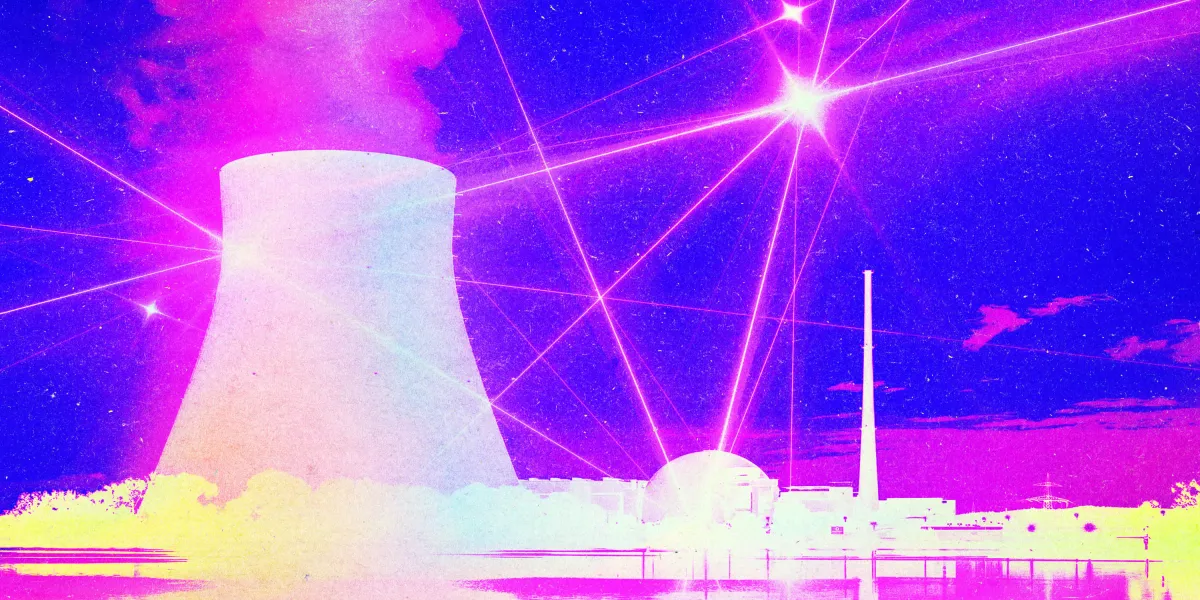
      How lasers could help provide fuel for nuclear reactors

      March Update May Have Weakened The Haptics For Pixel 6 Users

      Project 'Diamond' Is The Galaxy S23, Not A Rollable Smartphone

      The At A Glance Widget Is More Useful After March Update

      Pre-Order The OnePlus 10 Pro For Just $1 In The US

      Motorola Edge+ Review: It Checks A Lot Of Boxes

      This Smartphone Concept Design Is Different… In A Good Way

      Twitter Just Made Searching Your Direct Messages Better

      That Netflix Price Hike Is Starting To Take Place

      Latest Huawei Mobiles P50 and P50 Pro Feature Kirin Chips

      Samsung Galaxy M62 Benchmarked with Galaxy Note10’s Chipset

      9.1

      Review: T-Mobile Winning 5G Race Around the World

      8.9

      Samsung Galaxy S21 Ultra Review: the New King of Android Phones

    • Computing
    circuitthoughtscircuitthoughts
    Home»Tech»How lasers could help provide fuel for nuclear reactors
    Tech

    How lasers could help provide fuel for nuclear reactors

    adminBy No Comments2 Mins Read
    Facebook Twitter Pinterest LinkedIn Tumblr Email
    Share
    Facebook Twitter LinkedIn Pinterest Email

    Nuclear power provides about 9% of global electricity today, and that fraction could tick up as major world powers like the US and China look to build new reactors, including some based on next-generation technology. New, cheaper methods to obtain fuel could help ensure that those nuclear projects stay on track.

    Naturally occurring uranium is largely made up of uranium-238 (over 99%) and uranium-235 (about 0.7%). Uranium-235 is the fissile type, meaning that, when hit with slow low-energy neutrons, it can sustain a chain reaction that generates electricity. So reactors generally use material with a higher concentration of U-235 than what’s pulled from the ground. Today’s conventional reactors usually use low-enriched uranium, typically is about 5% U-235, though some advanced reactor designs will use fuel that’s up to 20% U-235.

    Today, centrifuges are the dominant tech used to enrich uranium. The equipment essentially takes uranium-containing material and spins it around incredibly quickly, so the heavier material (which contains U-238) spins out to the edge, while the lighter material (which has U-235) stays closer to the center. (If you’ve ever swung a mustard bottle to get the last of it out, you’ve used the same basic idea behind a centrifuge.) Then the material that has a higher concentration of U-235 can go on to be made into nuclear fuel.

    Laser enrichment, on the other hand, takes advantage of the fact that all molecules vibrate and rotate at an atomic scale in ways that depend on their specific material. Even different uranium isotopes have distinct fingerprints.

    Lasers are so precise they can target one particular material (like molecules that contain U-235, for example). If you shine a laser at a mixture, you can selectively excite just the material you’re targeting, giving it a bit more energy. This changes the way it behaves, which can make it easier to separate out the material you want using chemical or physical methods.

    A wide range of separation approaches have been developed in research and industry. Some aim to electrically charge U-235 atoms, allowing them to be moved with electrostatic or magnetic fields. Others change how the material reacts chemically. 

    The details of GLE’s specific technology are classified, and company officials declined to share how the process works. 

    #lasers #provide #fuel #nuclear #reactors

    fuel lasers nuclear provide reactors
    Share. Facebook Twitter Pinterest LinkedIn Tumblr Email

    Related Posts

    Samsung's CEO just admitted why the Galaxy Z Fold 8 costs way more in the States

    Building the enterprise environment for agentic AI

    Google may finally be fixing the one Pixel Watch annoyance I struggle with daily

    Add A Comment

    Leave A Reply Cancel Reply

    Editors Picks
    8.5

    Apple Planning Big Mac Redesign and Half-Sized Old Mac

    Autonomous Driving Startup Attracts Chinese Investor

    Onboard Cameras Allow Disabled Quadcopters to Fly

    Top Reviews
    9.1

    Review: T-Mobile Winning 5G Race Around the World

    By
    8.9

    Samsung Galaxy S21 Ultra Review: the New King of Android Phones

    By
    8.9

    Xiaomi Mi 10: New Variant with Snapdragon 870 Review

    By
    circuitthoughts
    Facebook Twitter Instagram Pinterest Vimeo YouTube
    • Home
    • Tech
    • Gadgets
    • Mobiles
    • Our Authors
    © 2026 ThemeSphere. Designed by WPfastworld.

    Type above and press Enter to search. Press Esc to cancel.