


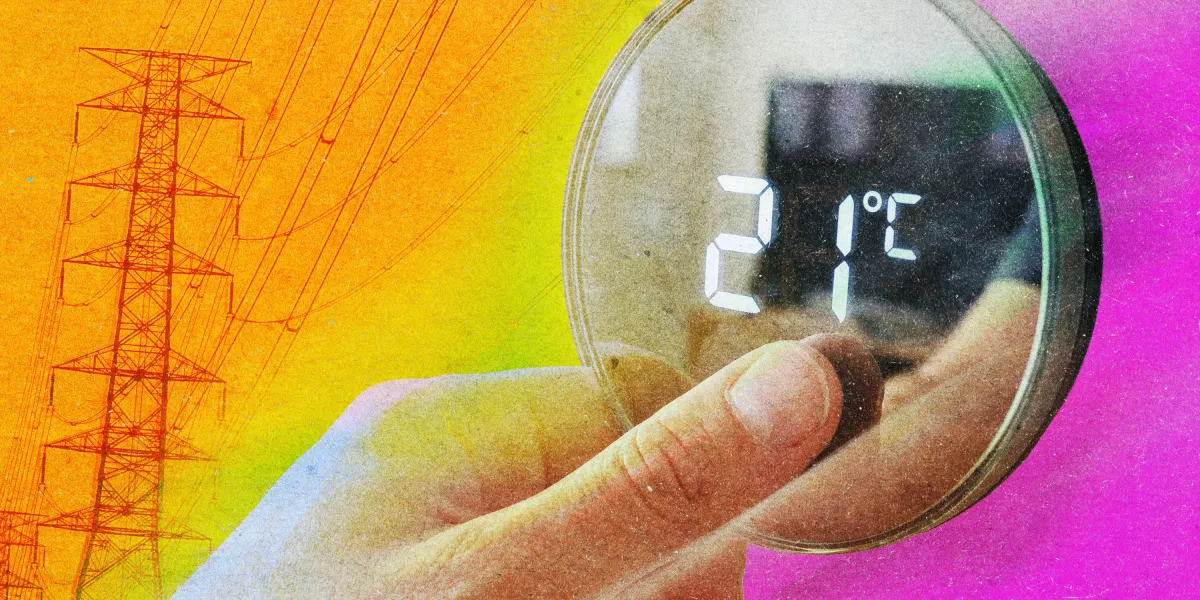

Once you find a program, the instructions for enrollment may be as simple as clicking through an app, filling out a utility form, or confirming your account and device information through a third-party enrollment page. EV drivers may be able to see the terms and payment in their automaker app and enroll “with a click of a button,” says Joseph Vellone, CEO of the EV-focused VPP company ChargeScape.
Eligibility can get annoyingly specific. A smart thermostat program could require an approved Wi-Fi thermostat; an EV program may depend on your automaker, charger, utility territory, or rate plan; a battery program may depend on the battery brand, inverter, or installer and whether your system can communicate with the utility.
These programs are also not evenly distributed across the country. Most programs are established in places with lots of flexible devices, stressed grids, supportive utilities, or strong state policies—especially California, Texas, New England, and increasingly parts of the mid-Atlantic region.
2. Ask yourself how much flexibility you can afford.
Before you sign up for a VPP, you’ll want to determine whether you’re willing to let a company adjust a device in your home—even if it typically happens only a few times a week.
For some people, this may be an easy decision: If your EV sits plugged in all night but only needs two hours to charge, shifting when that charging happens may be almost invisible. A home battery program could be lucrative if you understand how often the battery will be used, how much backup power you can keep, and whether extra cycling affects your equipment.
Other households, however, “do not have the flexibility to engage in one of these programs,” says Sanya Carley, a professor at the University of Pennsylvania and faculty director of the Climate Center for Energy Policy. She says that people who work night shifts, have caregiving responsibilities or health needs, or are already aggressively limiting their energy use to save money may have less room to allow a utility to adjust heating, cooling, or charging rates during peak hours for grid demand.
3. Review the opt-out rules and read the fine print.
VPP programs generally give participants the ability to override temporary changes made by the utility. This right to “opt out” is what makes them workable for many customers. Can you skip a day of the program on your thermostat if you’re planning to have guests over? Can you tell your car to charge immediately before a long road trip? Can you keep a battery reserve for outages? Utilities are typically motivated to make the opt-out process as simple as possible, with few rules and restrictions.
It could also be worth investigating where your data might be going. EV and battery programs may need to collect data about things like charging status and schedule, or how much power a device is drawing, while smart thermostat data may reveal patterns about when people are home, sleeping, or using appliances.The Electronic Frontier Foundation, a nonprofit focused on digital rights, has warned that this data could be used to infer private routines inside a home; depending on the program, that information may not only move through a utility but get distributed to device manufacturers, software platforms, or third parties involved in running the program.
ChargeScape and Energy Hub say the data used for these programs is limited and functional. EV data is focused on “the physics and the energy of the asset itself,” Vellone says. Frader-Thompson explains,“It doesn’t really matter what any one customer is doing. It matters what the average customer is doing.”
4. Decide whether the offer is worth it for you.
The amount of compensation for signing up for a VPP can vary widely. The payment also may not come as a regular check. It might be a signup bonus, a gift card, a monthly bill credit, a discounted thermostat, free or cheaper EV charging, an annual performance payment, or additional “export credits” for energy sent back to the grid.
#sign #virtual #power #plantand #decide