


How did it all start?

The European Commission building in Brussels, Belgium. | Image by Wikipedia
In a nutshell, the European Commission wants most gadgets to have user-replaceable batteries, ones that don’t require specific tools to be swapped at home by basically anyone.
The big caveat is that these laws, which will take effect in February 2027, don’t apply to smartphones that have an IP rating and can retain 80% of their battery capacity after 1000 charge cycles.
Well, this practically means all modern smartphones, probably with the exception of the most affordable and budget models. So your iPhones and Galaxy phones won’t be affected. But what’s extremely interesting are the results of the poll in that particular article. I didn’t expect that!
People want to be able to change their phone batteries by themselves
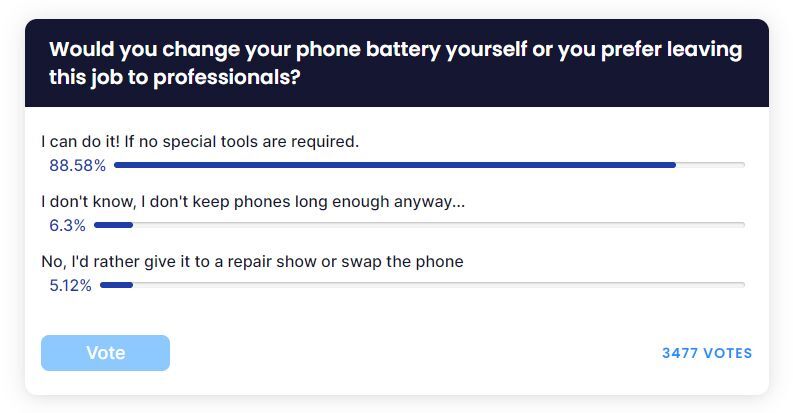
People do want user-replaceable batteries. | Image by PhoneArena
An overwhelming percent of the voters in that poll want to be able to swap their phone battery when the need arises, given no special tools are required.
We’re talking more than 88% of all people who voted in the poll. And it’s not like the number of votes was low or something. Almost 3,500 people have voted at the time of writing this, which is statistically significant.Only 6% said they don’t keep their phones long enough to need a battery replacement, and only 5% would rather leave the job to a professional or swap the phone altogether. Mind-boggling!
Why do people want user-replaceable batteries?
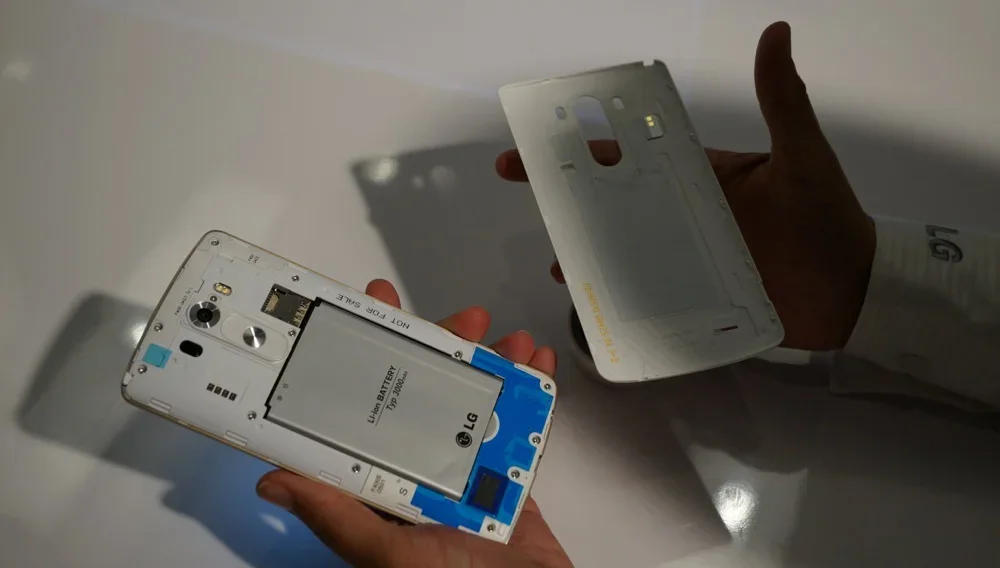
The LG G3 was super thin and yet it features a user-replaceable battery. | Image by Droid Life
The answer to this question might complex. On one hand, modern phones now offer up to seven years of software updates, and even some midrange models receive new Android versions for six long years.
This is way past the normal lifecycle of a smartphone battery, so a change is inevitable.
According to recent surveys, 40-50% of smartphone users tend to keep their phones for 2.5-3.5 years on average, right where a battery would fall below the 80% mark. Could it be that this need for a battery replacement forces people into buying new phones? Our poll results kind of say otherwise.
The overall trend, however, is for people to hold on to their phones for longer. The demographics that keep their phones for 4 to 5 years are increasing. This also stems from the better and better hardware we’re getting.
Smartphone chips are so powerful nowadays, that the sluggishness and lag we used to experience back in the day after the first year are gone.
But will we ever get to swap our iPhone and Galaxy batteries ourselves?
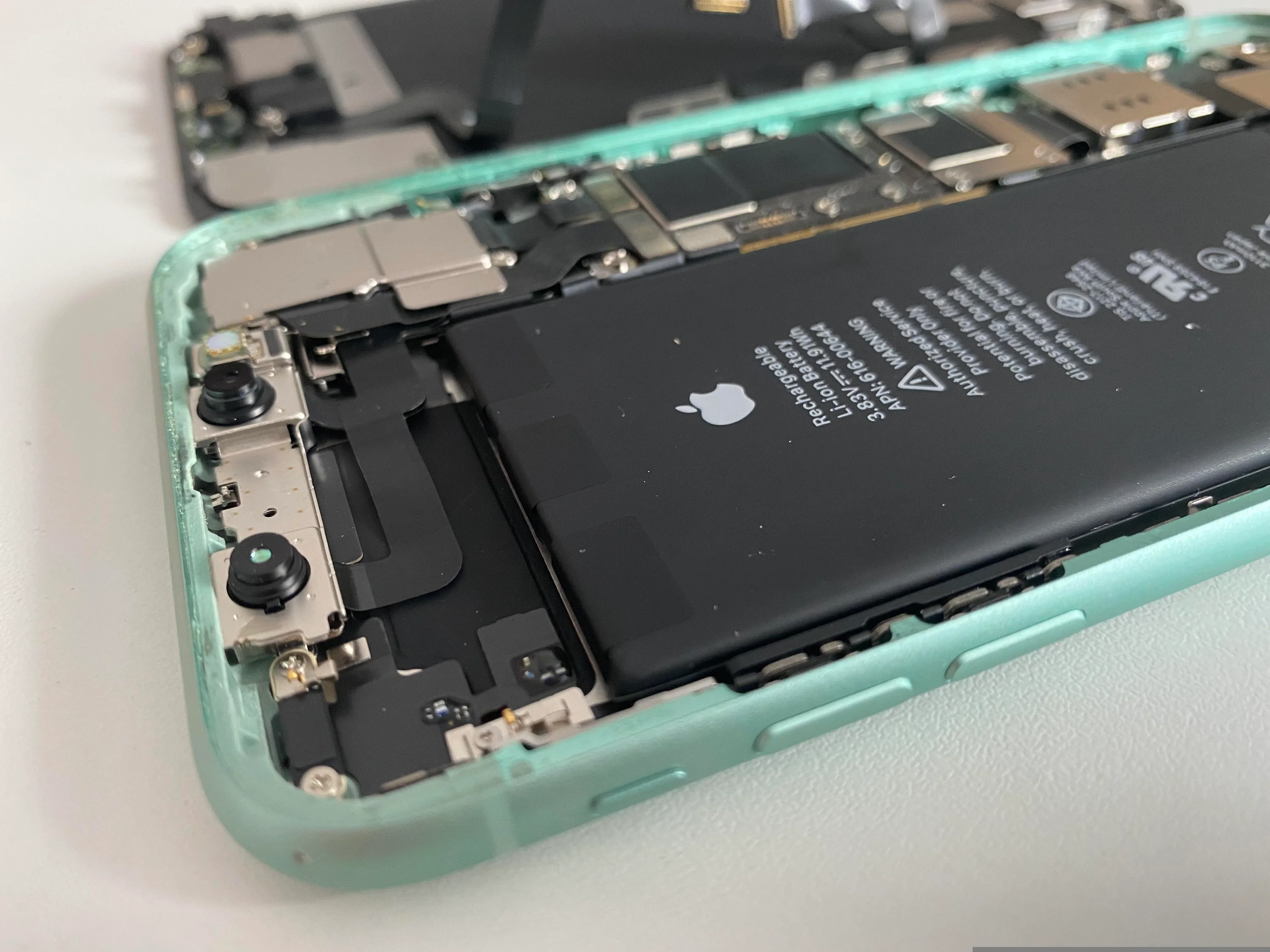
iPhones with a swappable battery may arrive at one point. | Image by PixaBay
The jury’s still out on this one. There’s a strong possibility that this EU regulation extends to smartphones as well. After all, tablets and smartphones are treated as an exception from the broader legislation.I still remember my Galaxy S3 days and how easy and convenient it was to just pop out the back panel and take out the battery. It turns out I’m not the only one being nostalgic here.
#Userreplaceable #batteries #people #apparently #phones